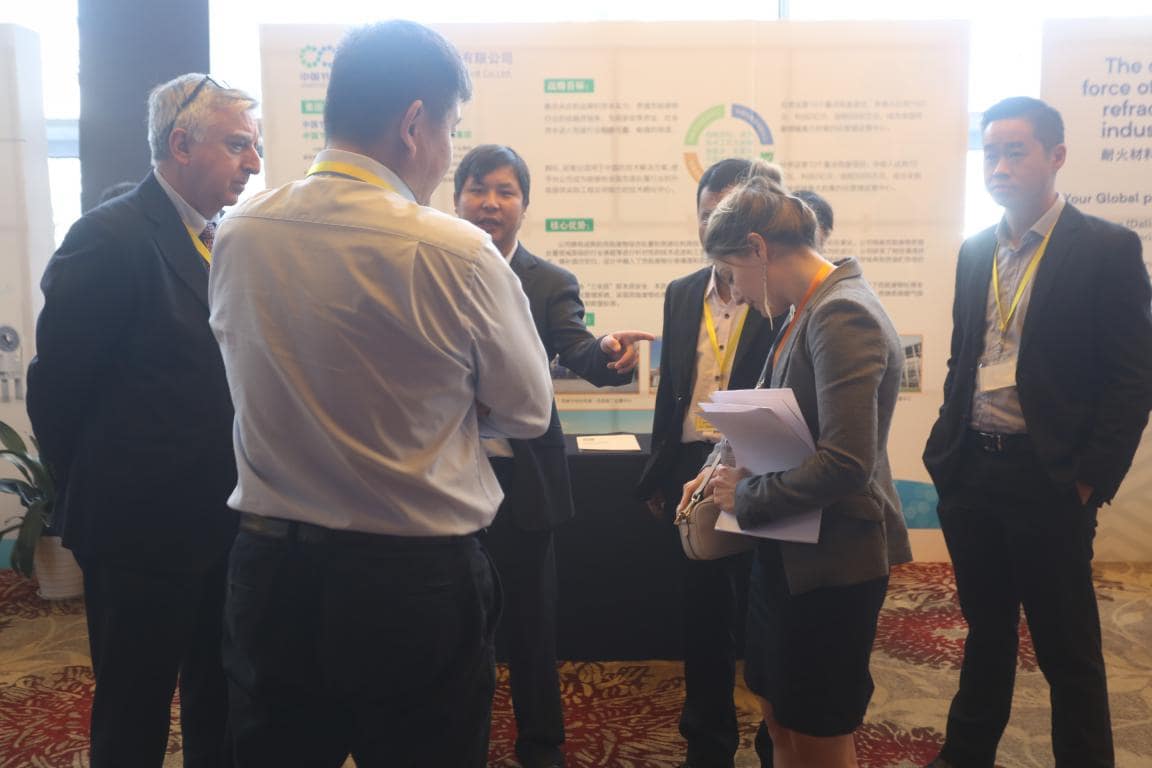
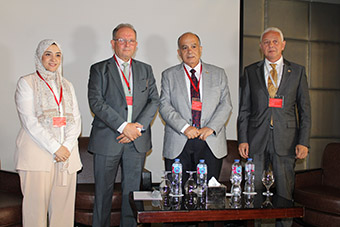
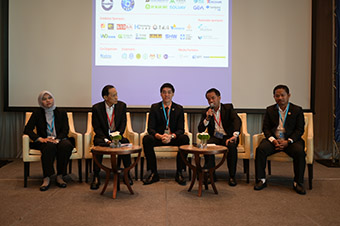
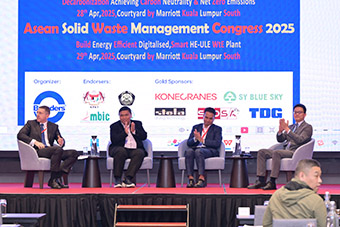
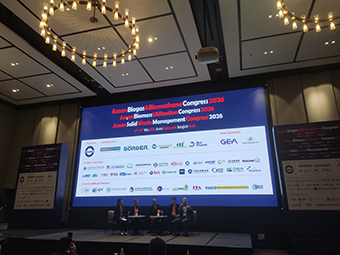
600+Global High Level Attendees
60+Renowned High Level Speakers
60+Selected Exhibitors Onsite
30+Local Municipalities,Urban Environmental Sanitation,Public Environmental Services Companies
150+Biogas Biomass & WtE Investors and Operators
30+EPCs
20+RDF Producers,Cement Plants
100+ Cassava Starch Factories,Sugar Mill,Pulp and Paper Mill,Brewery Factory,Ethanol Plants,Food & Beverage Factory,Coffee Processing Factories and Park,Coconut Factory,Wastewater Treatment Plants,Rubber Manufacturers,Industrial Parks,Textile Factory,Feed Mill,Coal fired power plants,Glassmaking Plants, Ceramics Factory etc
60+Wood Furniture Factory,Wood Processing Factory,Wood Pellet Producers
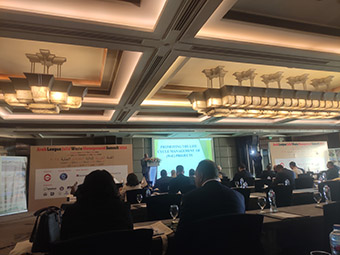
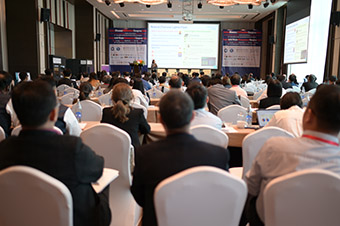
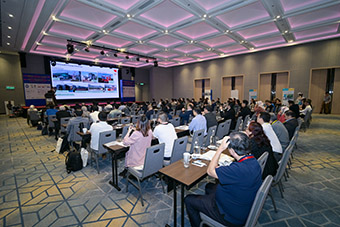
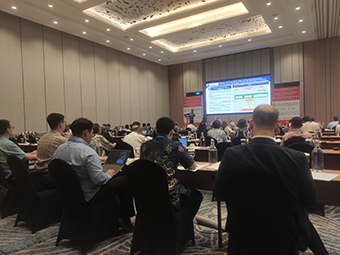
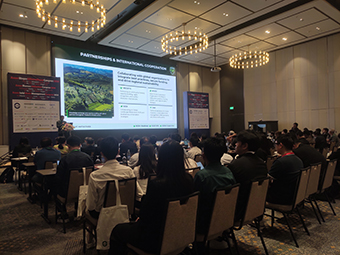
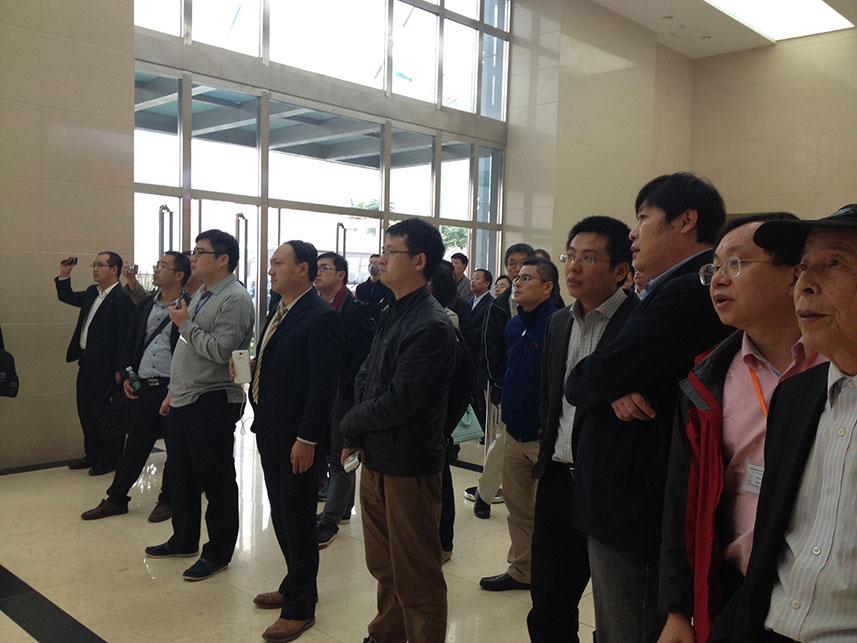
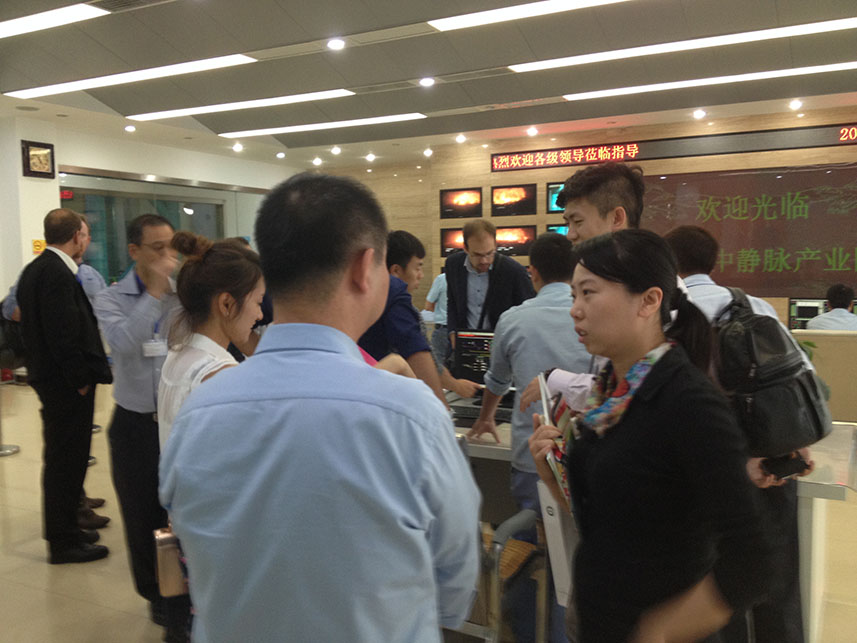
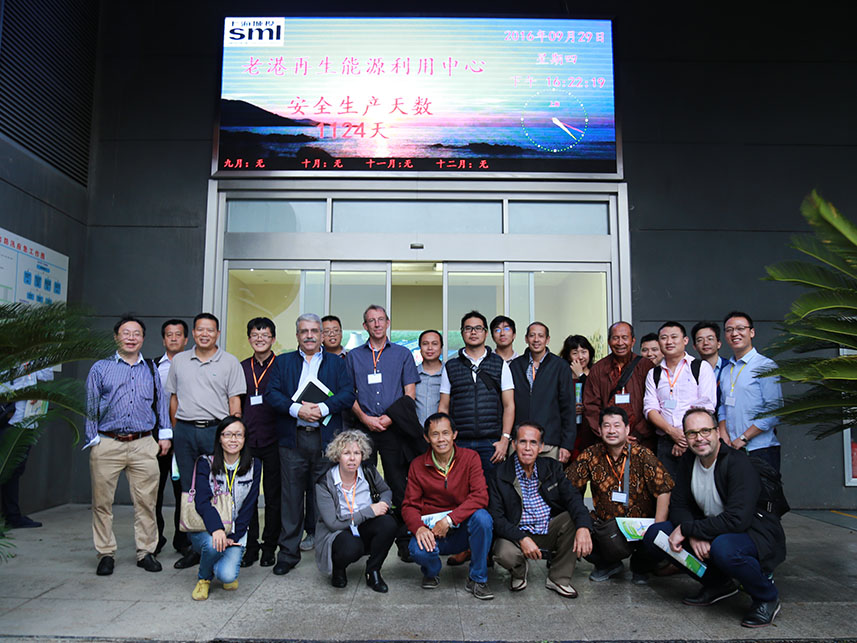
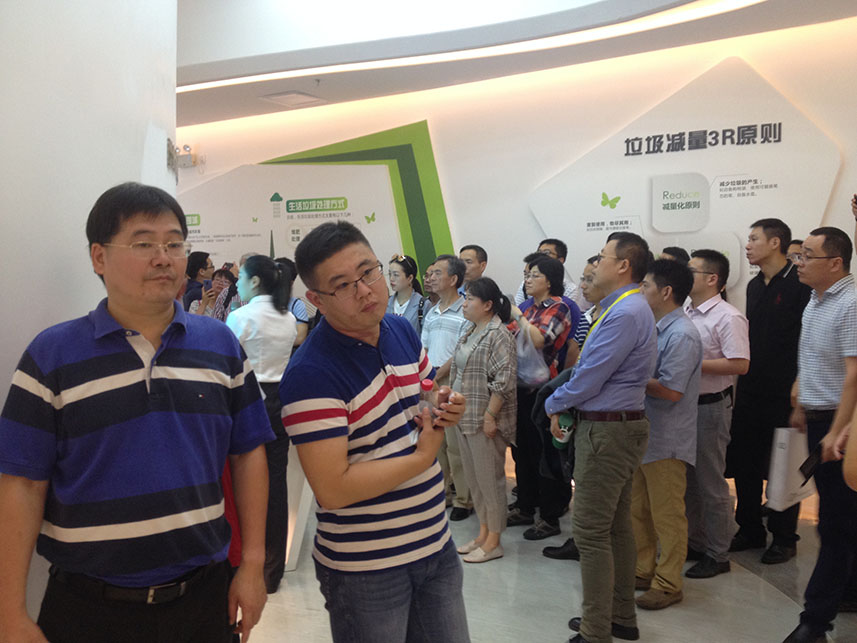
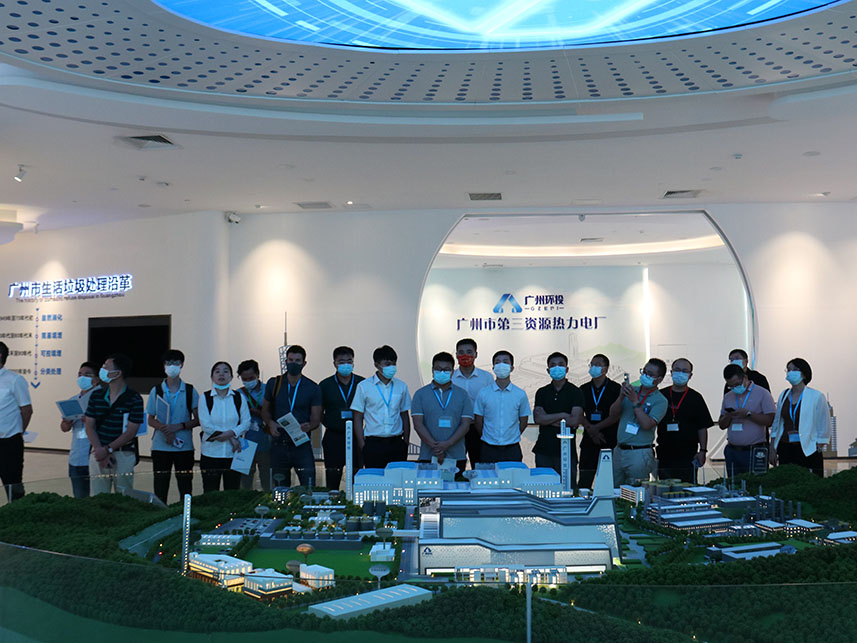
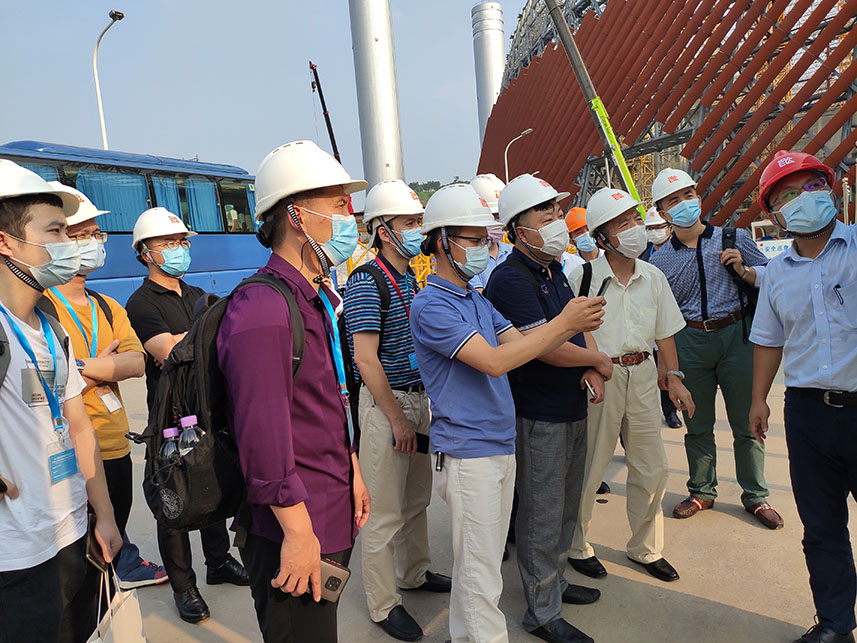
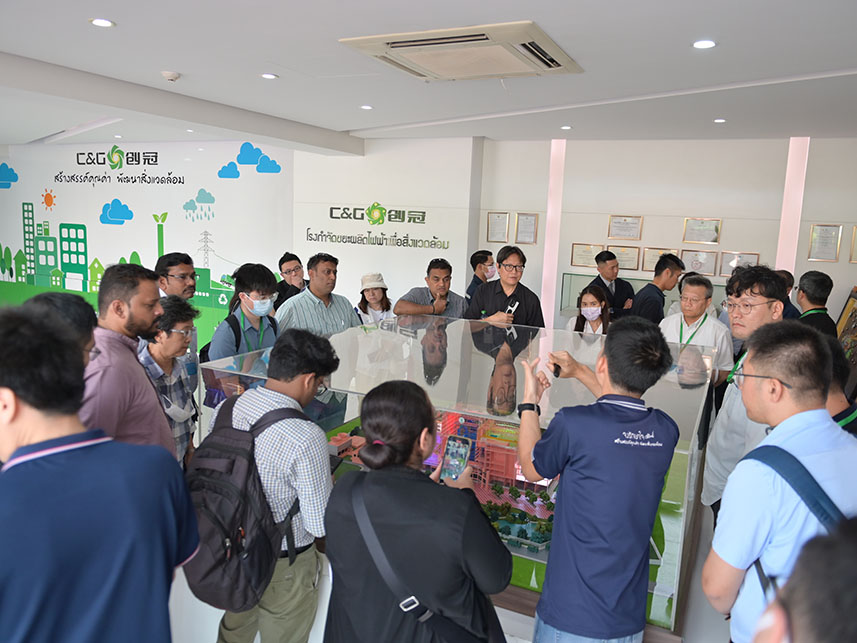
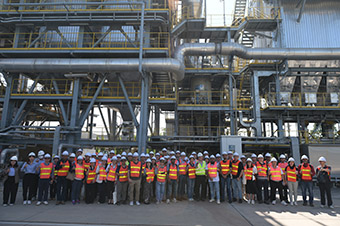
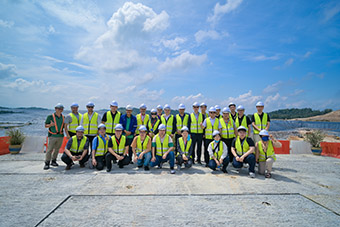
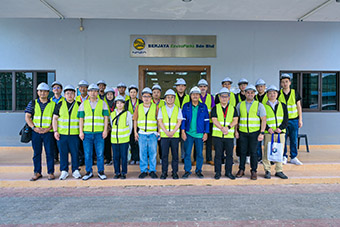
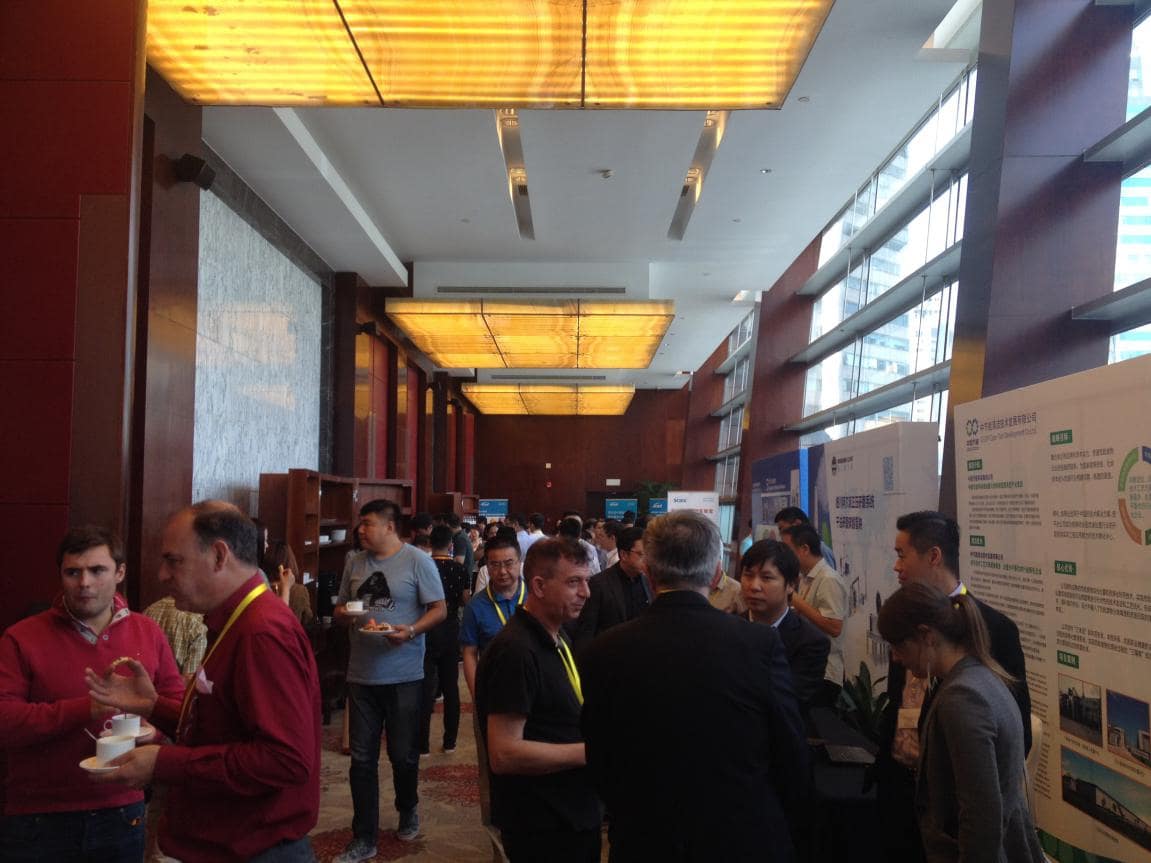
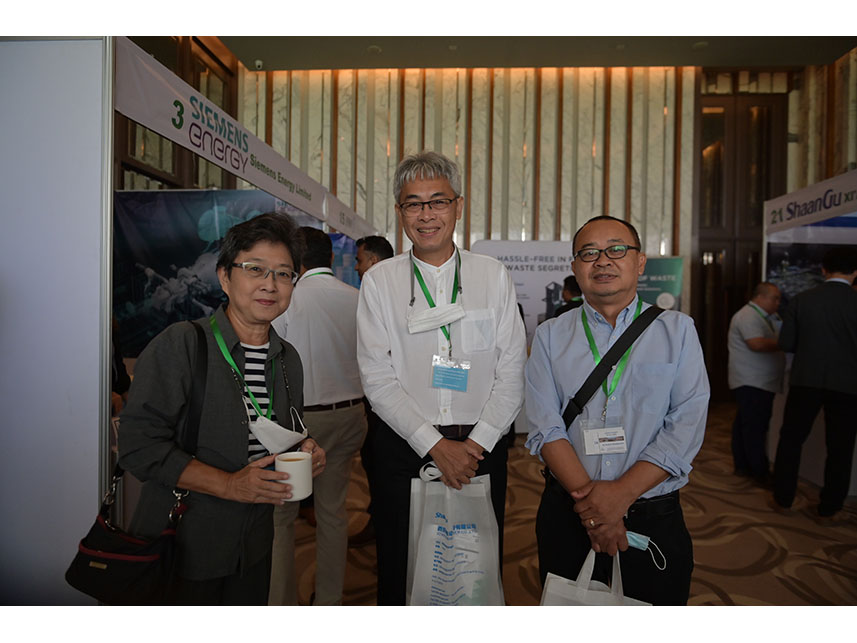
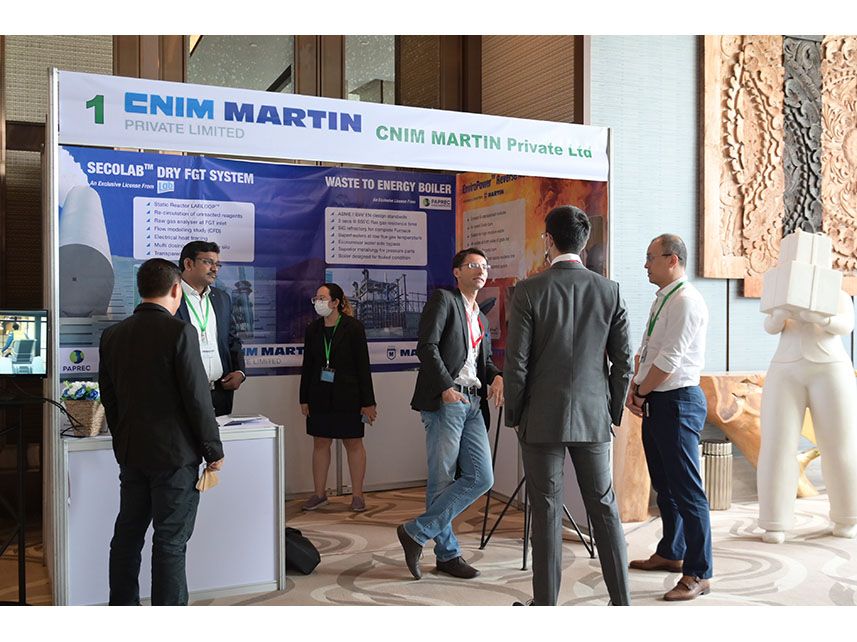
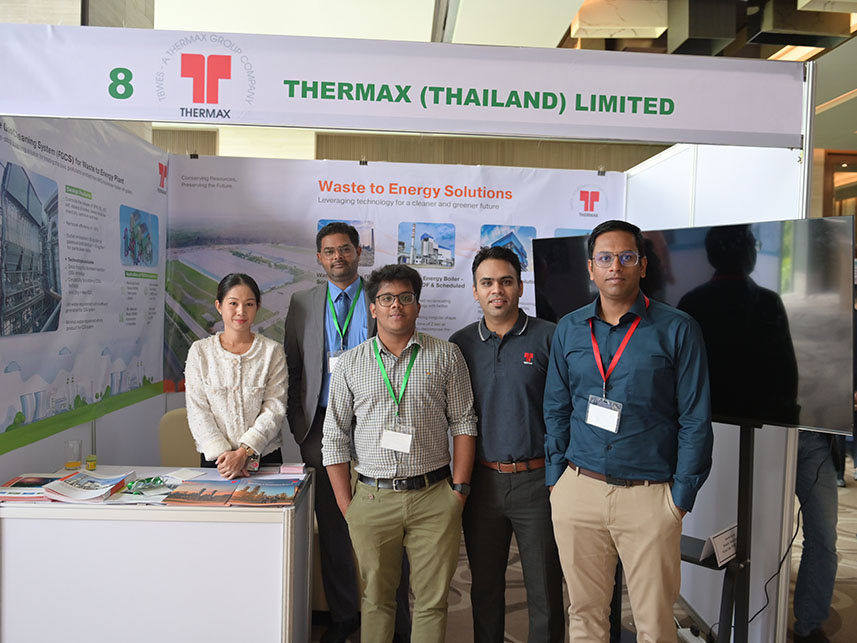
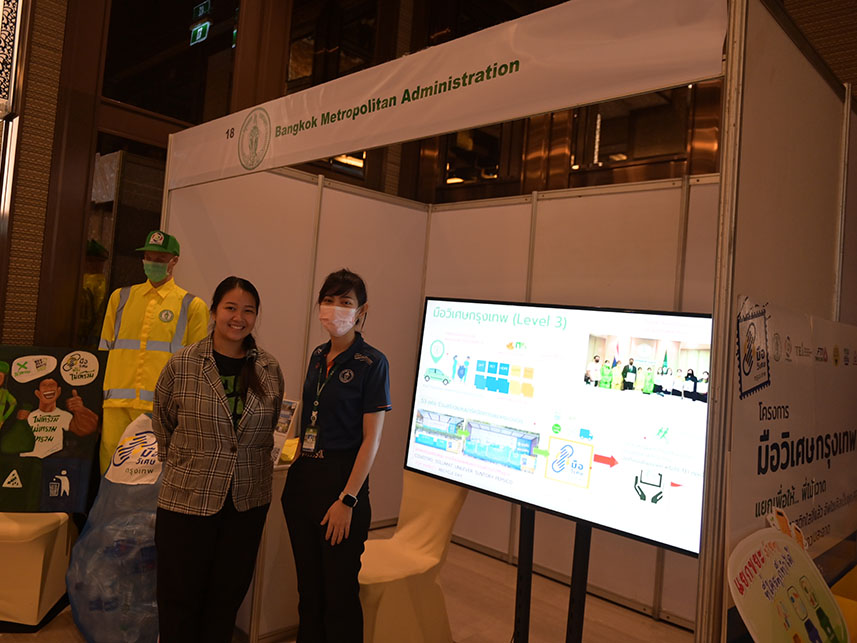
Broaders solid waste series event was originated from the urban waste incineration power generation technology application seminar held in Shenzhen in 2004. It was held in Tianjin and Shanghai in 2005 and 2006 respectively. It was upgraded to the Asia Waste to Energy Congress in 2012 and moved to ASEAN in 2023 as the ASEAN Waste to Energy Week in Bangkok, Thailand,ASEAN Waste-to-Energy Week 2024 in Saigon Vietnam,Arab League Solid Waste Management Summit 2024 in Cairo Egypt,Asean Biomass Utilization Congress 2024 in BKK Thailand,Asean Solid Waste Management Congress 2024 in BKK Thailand. Asean Biomass Utilization Congress 2025 in KL Malaysia,Asean Solid Waste Management Congress 2025 in KL Malaysia.Asean Biogas&Biomethane Congress 2025 in Jakarta Indonesia, Asean Biomass Utilization Congress 2025 in Jakarta Indonesia,Asean Solid Waste Management Congress 2025 in Jakarta Indonesia . Asean Biogas&Biomethane Congress 2026 in BKK Thailand, Asean Biomass Utilization Congress 2026 in BKK Thailand,Asean Solid Waste Management Congress 2026 in BKK Thailand .The conference attracted more than 6,818 delegates from more than 80 countries and regions including China, United States, France, Sweden, Austria, Finland, Norway, Iceland, Denmark, Poland, Czech Republic, Germany, Austria, Switzerland, Russia, Ukraine, United Kingdom, Ireland, Netherlands, Belgium, Italy, Spain, Portugal, Thailand, Japan, Singapore, South Korea, Malaysia, Australia, India, Indonesia, Philippines, Vietnam, United Arab Emirates,The Kingdom of Saudi Arabia,The Kingdom of Bahrain,Egypt,South Africa,The Kingdom of Morocco, Iran,The Islamic Republic of Pakistan,Bangladesh,Lebanon, Canada, Sri Lanka, South Africa, Hong Kong, Taiwan, Macau etc attended the conference. Previous participants have visited Beijing Lujiashan Shougang Biomass Waste Incineration Power Plant in 2014, Suzhou Everbright Waste Incineration Power Plant in 2015, Shanghai Environment Laogang Waste Incineration Power Plant in 2016, Shenzhen Energy Yantian Waste Incineration Power Plant in 2019, Guangzhou Third Resource Thermal Power Plant in 2021,Shenzhen Energy Longgang Energy Ecological Park in 2021,Bangkok BMA C&G Waste-to-Energy Power Plant in 2023,Everbright International's Can Tho Waste-to-energy Project in Vietnam in 2024.Thailand Chonburi Clean Energy Power Plant in 2024.Malaysia Sulpom Integrated Biomass-Based Cogeneration Power Plant in 2025,Berjaya EnviroParks,one of Malaysia's largest sanitary landfills,msw incineration plants,hazardous waste incineration plants in 2025.Rayong's Comprehensive Waste Management Project with Refuse Derived Fuel (RDF) technology,first Full Scale Biogas Power Plant from Organic Fraction of Municipal Solid Waste in Thailand in 2026.
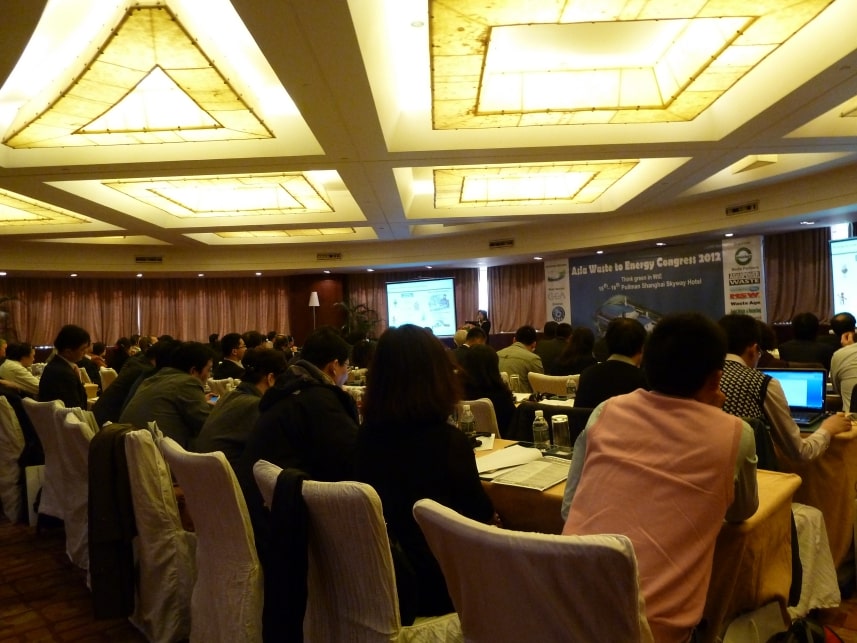
Asia Waste to Energy Congress 2012 was held successfully in Pullman Shanghai Skyway Hotel from 15th-16th Nov 2012
2nd Annual Asia Waste to Energy Congress 2013 was held successfully in Pullman Shanghai Skyway Hotel from 24th-25th Sep 2013
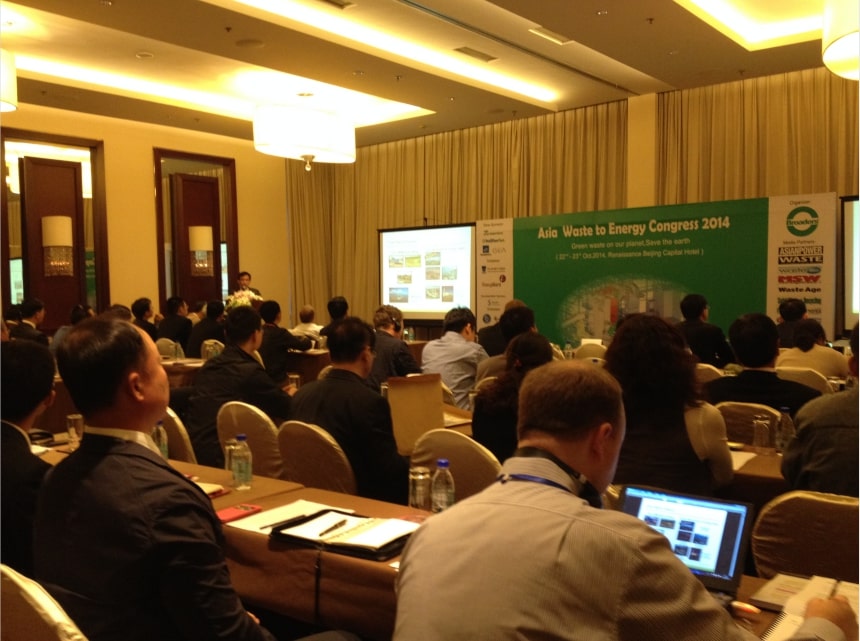
3rd Annual Asia Waste to Energy Congress 2014 was held successfully in Renaissance Beijing Capital Hotel from 22nd-23rd Oct 2014
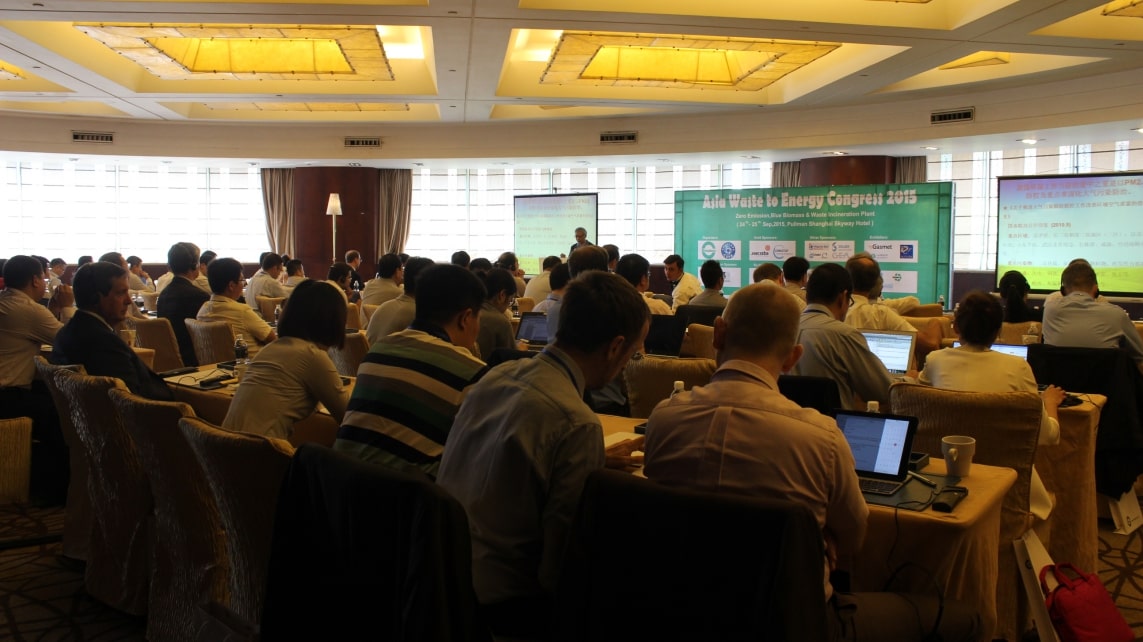
4th Annual Asia Waste to Energy Congress 2015 was held successfully in Pullman Shanghai Skyway Hotel from 24th-25th Sep 2015
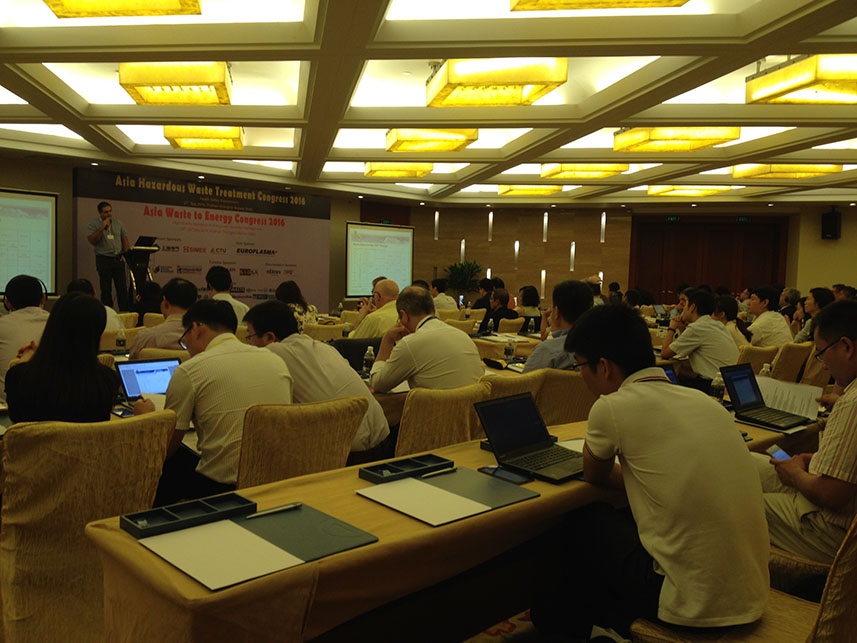
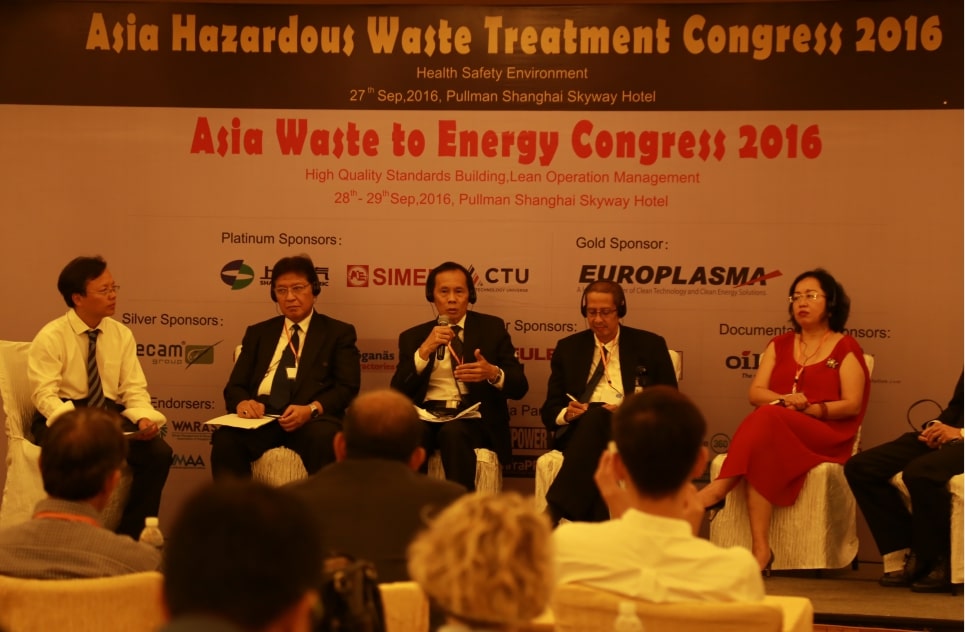
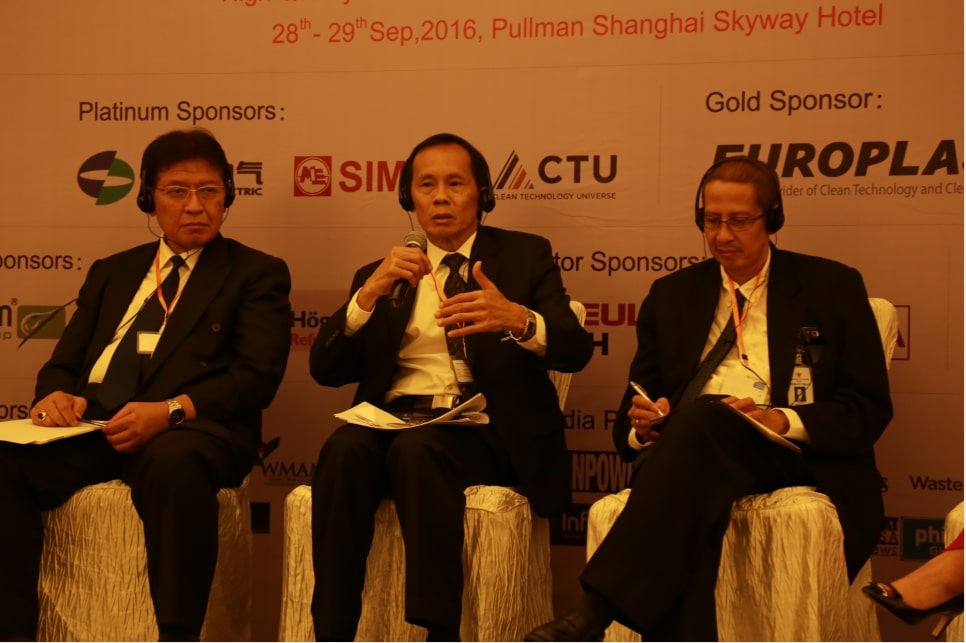
5th Annual Asia Waste to Energy Congress 2016 was held successfully in Pullman Shanghai Skyway Hotel from 28th-29th Sep 2016
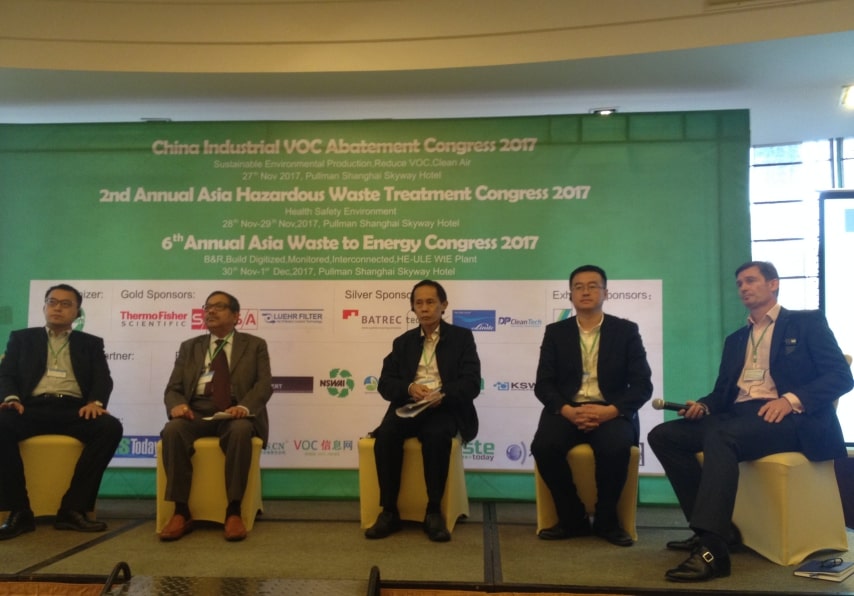
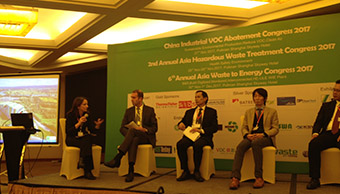
6th Annual Asia Waste to Energy Congress 2017 was held successfully in Pullman Shanghai Skyway Hotel from 30th Nov-1st Dec 2017
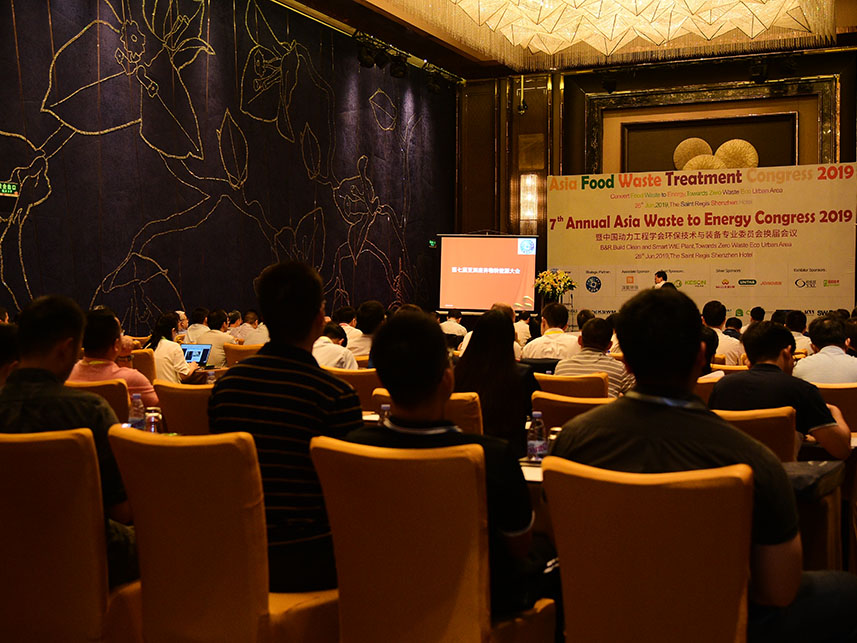
7th Annual Asia Waste to Energy Congress 2019 was held successfully in Saint Regis Shen Zhen Hotel from 28th Jun-29th Jun 2019
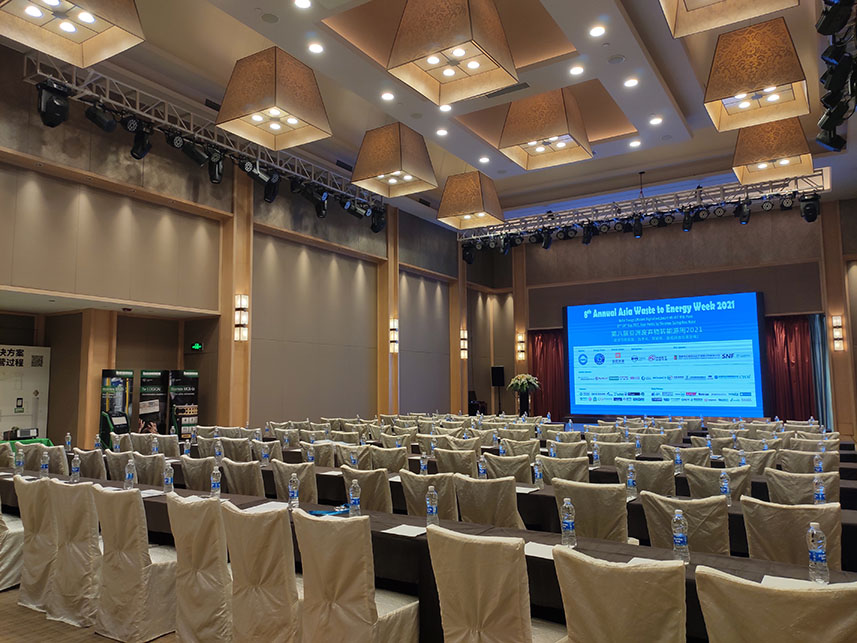
8th Annual Asia Waste to Energy Week 2021 was held successfully in Four Points Sheraton Guang Zhou Hotel from 27th-28th Sep 2021
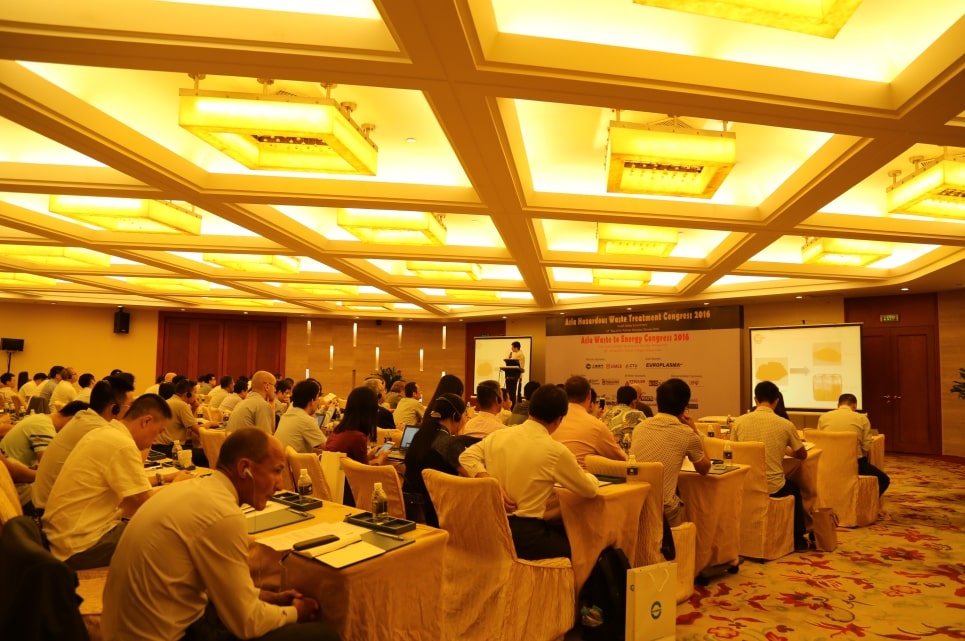
Inaugural Asia Hazardous Waste Treatment Congress 2016 was held successfully in Pullman Shanghai Skyway Hotel on 27th Sep 2016
2nd Asia Hazardous Waste Treatment Congress 2017 was held successfully in Pullman Shanghai Skyway Hotel on 28th-29th Nov 2017
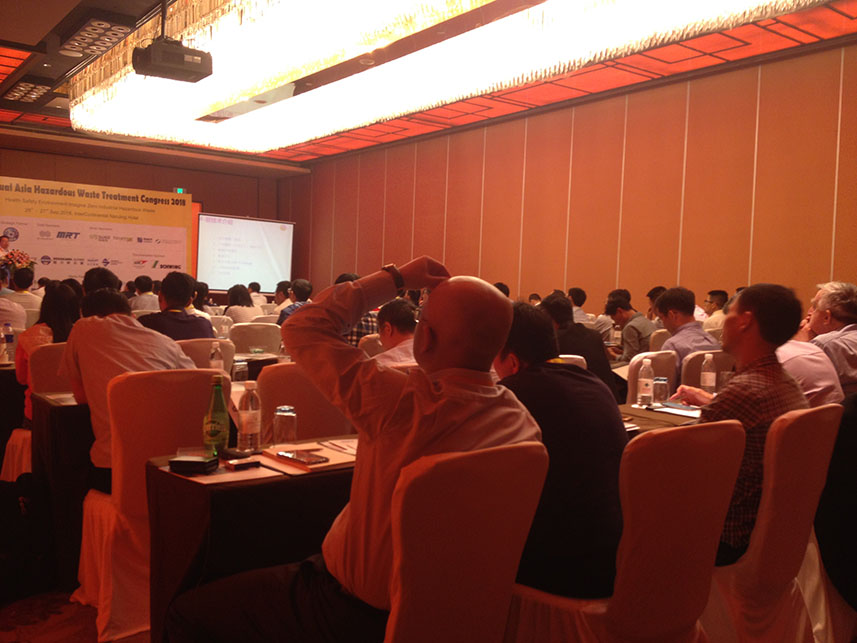
3rd Asia Hazardous Waste Treatment Congress 2018 was held successfully in InterContinental Nanjing Hotel on 26th-27th Sep 2018
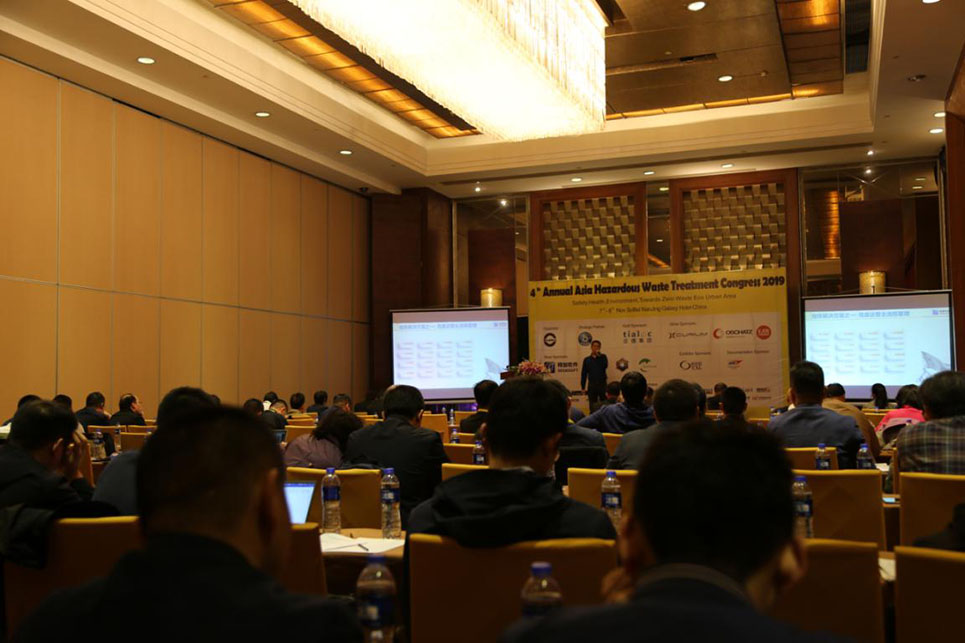
4th Annual Asia Hazardous Waste Treatment Congress 2019 was held successfully in The Sofitel Nanjing Galaxy Hotel on 7th-8th Nov 2019
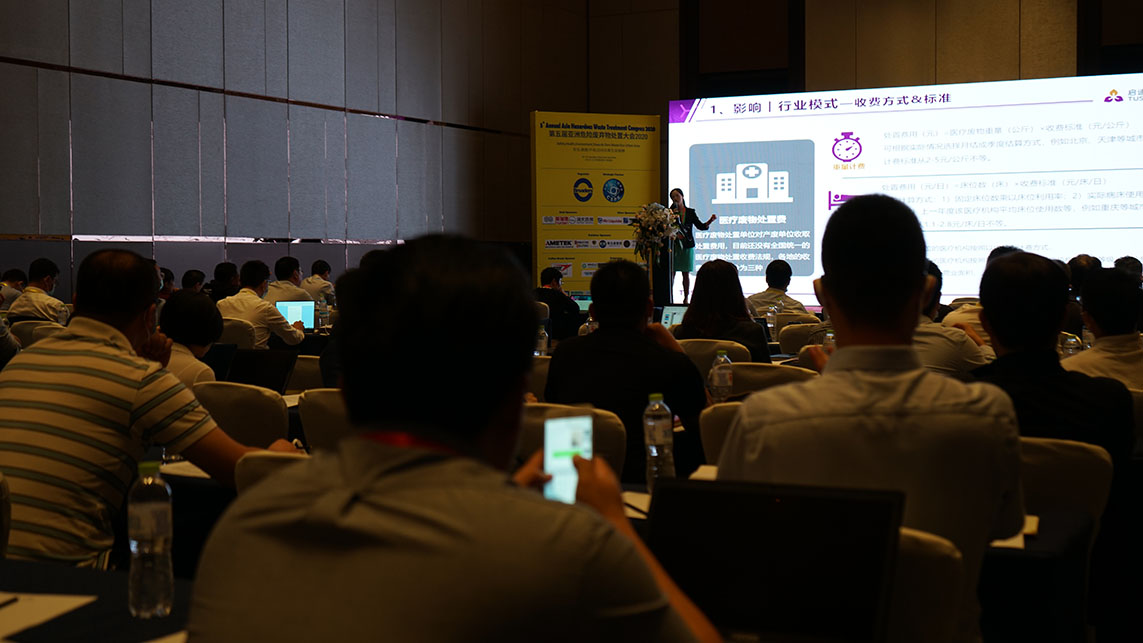
5th Annual Asia Hazardous Waste Treatment Congress 2020 was held successfully in Hilton Jinan South Hotel on 24th-25th Sep 2020
Asia Food Waste Treatment Congress 2019 was held successfully in Saint Regis Shen Zhen Hotel on 26th June 2019
ASEAN Food Waste Treatment Congress 2023 was held successfully in Hilton Sukhumvit Bangkok Hotel on 16th Oct 2023
Asean Waste to Energy Week 2023 was held successfully in Hilton Sukhumvit Bangkok Hotel on 18th-20th Oct 2023
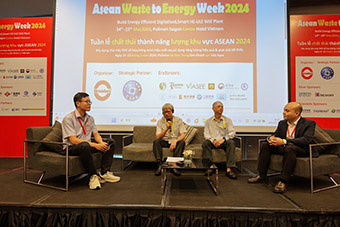
Asean Waste to Energy Week 2024 was held successfully in Pullman Saigon Centre Hotel on 14th-16th Mar 2024
Arab League Solid Waste Management Summit 2024 was held successfully in Fairmont Nile City Cairo Hotel on 27th Jun 2024
Asean Biomass Utilization Congress 2024&Asean Solid Waste Management Congress 2024 was held successfully in Eastin Grand Hotel Sathorn Bangkok 27th-28th Nov,2024
Asean Biomass Utilization Congress 2025&Asean Solid Waste Management Congress 2025 was held successfully in
Courtyard by Marriott Kuala Lumpur South Hotel 28th-29th Apr,2025
Asean Biogas&Biomethane Congress 2025(ID),Asean Biomass Utilization Congress 2025&Asean Solid Waste Management Congress 2025 was held successfully in DoubleTree by Hilton Jakarta Bintaro Jaya Hotel 23rd-25th Sep ,2025
Asean Biogas&Biomethane Congress 2026(TH),Asean Biomass Utilization Congress 2026(TH)&Asean Solid Waste Management Congress 2026(TH) was held successfully in Avani Sukhumvit Bangkok Hotel 17th-20th Mar,2026
The Broaders 32nd Edition Solid Waste Series Event Will be Scheduled on 15th-17th Sep 2026 in Hanoi Vietnam
Asean Biogas&Biomethane Congress 2026(VN) Event Background
Viet Nam's potential for biogas power may reach 1,400 MW by 2035. According to a study prepared by the BEM in 2021, the substrate sources with the highest biogas capacity are piggeries, the cassava industry and organic waste. The Vietnam Biogas Power Market is experiencing robust growth due to a combination of government support, rising energy demand, and increasing focus on sustainable and renewable energy sources. Policies such as feed-in tariffs (FIT), carbon credit incentives, and strategic national energy plans are creating a favorable investment landscape. The Vietnamese government has included biogas in its Power Development Plan (PDP8), aiming to enhance energy security and reduce greenhouse gas emissions. These regulatory frameworks, coupled with international climate commitments like the Paris Agreement, are motivating both public and private stakeholders to invest in biogas power generation capacity.Moreover, Vietnam's abundant agricultural waste and livestock manure provide a rich and sustainable feedstock for biogas production. With the country’s strong agrarian economy, there is a consistent supply of organic waste materials that can be converted into energy. Additionally, increasing rural electrification and off-grid energy demand are propelling the adoption of small-scale and community-level biogas plants. Rising environmental awareness and the need to reduce dependence on fossil fuels also enhance the market's appeal. Together, these factors foster favorable growth trajectories for Vietnam’s biogas power sector, making it a strategic focus for clean energy investors and energy developers.
The Vietnam Biogas Power Market is segmented based on key factors such as product type, application, end-user, and distribution channel. This segmentation helps in identifying distinct consumer needs, preferences, and usage patterns across various sectors. By analyzing each segment, businesses can tailor their strategies to target specific customer groups more effectively. For example, segmentation by product type highlights demand trends for different variants, while end-user analysis reveals adoption rates across industries or demographics. Geographic segmentation also plays a role, reflecting regional differences in consumption and market potential. This comprehensive analysis enables companies to uncover growth opportunities, streamline marketing efforts, and enhance customer engagement. Understanding market segmentation is essential for developing focused strategies and staying competitive in Vietnam's evolving Biogas Power landscape.
The cassava industry in Vietnam generates various biowastes, including stems and leaves left in fields as organic fertilizer or burnt, while minor by-products like dry peels and black starch are treated (wet pulp for animal feed and wastewater for biogas). Vietnam's climate supports anaerobic digestion (AD) due to suitable microbial activity conditions. Various AD technologies are in use, including Chinese KT1, Indian KT2 and KT3 floating biogas digesters, PE biogas bags, and composite digesters for waste treatment and biogas production.Multiple industrial sectors employ biogas production technology, benefiting breweries, alcohol factories, cassava processing plants, and food processing facilities. Biogas bags made of PE are cost-effective for small farmers, while durable composite digesters are common. Biogas systems are categorized as Small Biogas Plants (SBP), Medium Biogas Plants (MBP), and Large Biogas Plants (LBP), with digestate, the residue from anaerobic digestion, utilized as fertilizer and soil amendment.Biogas primarily serves cooking, heating, and lighting in households with digesters, while industries use it for heat production, replacing fuel oil or coal. Excess gas may be flared or released, and power generation occurs in some cassava processing plants.Biogas technology in Vietnam yields multifaceted impacts. Economically, it reduces space requirements, chemical use, and energy needs, promoting microbial sludge reuse. Environmentally, it lowers sludge and odor, enhances COD loading capacity, and curbs greenhouse gas emissions. Societally, it generates job opportunities near industrial sites.
Government support in Vietnam includes financial incentives for livestock households, programs like the "Biogas program for the livestock industry," and projects like Biolive. Strategies for biogas technology development involve completing institutional and legal frameworks, promoting technology application, and creating a conducive environment.Opportunities for biogas technology include its applicability in livestock farms, various organic-rich industries, and urban solid waste landfills. Barriers include a lack of political support, complex administrative procedures, unclear tax and incentive policies, and limited information about energy policy.To further develop biogas technology in Vietnam, it's proposed to explore attached growth digesters and anaerobic hybrid reactors, enhancing efficiency and reducing space requirements. Knowledge dissemination through training courses and the establishment of local networks are also crucial steps for biogas technology development in the country.
br>
Biogas from cassava starch production wastewater at industrial level In Viet Nam, there are 120 cassava starch processing plants: seven plants have a capacity of more than 50 000 tonnes of cassava starch/year; 40 plants have a capacity of 20 000 - 50 000 tonnes of cassava starch/year; and 55 plants have a capacity of less than 20 000 tonnes of cassavastarch/year.This indicator was measured on the basis of data collected through surveys conducted within this project in cassava starch processing factories in the Tay Ninh province. In these plants, wastewater from cassava starch production is the main feedstock used for biogas production. The plants have the capacity to process on average 13 500-75 000 tonnes of cassava starch/year and produce an amount of wastewater varying from 243 000 m3 /year to 1 500 000 m3 /year. Thus, a cassava starch plant with an average capacity of 36 750 tonnes per year discharges into the environment almost 720 750 m3 of wastewater per year.Based on these figures, the average volume of wastewater produced and released into the environment from processing 1 tonne of cassava starch is approximately 19.6 m3.As reported within Indicator 18, currently the biogas yield varies from 2.17 to 4.55 m3 per m3 of wastewater. On average, 1 m3 of wastewater produces 3.06 m3 of biogas (based on COD of wastewater). Burning 1 m3 of biogas (LHV) will release 21.6 MJ of heat (FAO, 2012). Therefore,1 m3 of wastewater could produce 3.06 x 21.6 =66.096 MJ of thermal energy. Biogas in cassava starch factories is mainly used to heat the furnace for drying starch. Indicator 18 also explains that the share of produced biogas used in the drying process varies in a range of 50-81 percent, with an average of 58.16 percent.For this reason, it could be said that the actual amount of energy recovered in the process is equal to: 66.1 * 58.16 = 38.44 MJ per m3 of wastewater.On average, a cassava starch plant generates 720 750 m3 /year of wastewater. 1 m3 of this wastewater can yield 66.1 MJ of biogas. Therefore,each plant can produce on average 47 641 575 MJ of biogas per year. Assuming that each of the 120 cassava starch factories in the country has an AD installed, the total amount of thermal energy potentially generated by the biogas produced from cassava starch wastewater is 4 859 440 650 MJ/year. On average, 58.16 of the produced biogas (i.e. 2 826 250 682 MJ/year) is used by the factories to dry cassava starch.As measured within Indicator 17, with 120 cassava starch factories producing on average 720 750 m3/plant of wastewater, the estimated total amount of thermal energy potentially generated by ADs is equal to 4 859 146 GJ. Of this amount, as stated in Indicator 18, only 58.16 percent is actually consumed in-house, replacing the use of coal and DO for producing steam and heat for drying cassava starch products. Therefore,Ebioenergydom from cassava-starch production plant wastewater-based biogas was quantified as 2 826 080 GJ/year.Lack of data prevented the calculation of sub-indicator 18.4 (Net Energy Ratio) in the case of biogas produced from cassava starch wastewater, therefore it was not possible to quantify sub-indicator 20.1 using the GBEP methodology and a proxy approach was used.It is known that biogas produced from cassava starch wastewater is used as a fuel to replace coal and/or DO for cassava starch driers.The LHV of DO (42.71 MJ/Kg) and its price were used to calculate the savings from substitution of DO by biogas. Assuming that 100 percent of biogas consumed by cassava starch plants was used to replace DO for producing heat and steam,66 167 tonnes of DO were replaced by biogas and savings erere equal to VND 819 142 million (USD36.25 million).
Biogas produced from animal manure at farm scale (MBP and LBP) is only used for cooking,heating and lighting in the household. No heat or power production from biogas occurs so far at farm scale.Taking into account the total number of animals raised in Viet Nam and the potential daily production of manure and biogas from such animals, the amount of manure produced by the livestock sector in Viet Nam,According to these estimates, a total amount of 84.8 million tonnes of fresh manure is produced per year from livestock: thus, a large amount of suitable feedstock is theoretically available for bioenergy production through Anaerobic Digestion.Biogas from pig manure at household and farm level Pig manure is the most common feedstock used for biogas production at household and farm level in Viet Nam. The body weight of a pig is,
on average, approximately 50 kg. The volume of pig waste per day is 5.2 percent of body weight. For each pig, this is equal to 2.6 kg of fresh manure per day or 949 kg of fresh manure per year.According to EPRO, the average number of pigs per pig-raising household is 22. As a consequence, the amount of fresh manure produced daily by pigs raised by households is approximately 55 kg. Based on these figures,the average amount of fresh manure produced annually by the pigs raised by each household is approximately 20.9 tonnes. At farm level, the country has 23 000 small pig farms and 1 500 industrial-scale pig farms where a large volume of biogas could be produced . The average scale of a Vietnamese pig farm is 709 heads. Therefore,the average amount of fresh manure produced annually by each farm is 673 tonnes.For SBP and MBP scales, biogas is mainly used for cooking, so savings from the purchase of LPG,fuelwood and rice straw were considered for these two scales. Biogas produced in LBP digesters is used for cooking and electricity generation,but there is no data on the amount of electricity generated from biogas.The amount of traditional energy (i.e. wood and agricultural residues) saved by the use of biogas was calculated using the amount of energy consumed at household and farm level for cooking purposes on the basis of data reported by EPRO. The type and amount of traditional energy used by households is strictly dependent on the economic conditions and characteristics of each household.In Viet Nam, livestock raising occurs mainly at household level and the installation of an AD to treat livestock waste is not compulsory. Biogas produced from farm-scale biogas plants is used to replace LPG, fuelwood and agricultural by-products for cooking in households.According to EPRO, households who used biogas saved 9.23 kg of fuelwood and 2.55 kg of agricultural residues per day, which is the equivalent of 169 MJ/day or 61 703 MJ/year.Therefore, the total amount of traditional energy savings by the 418 833 livestockraising households using ADs is equal to 25.8 million GJ/year (Indicator 20.2). 1.4 million tonnes of fuelwood and 390 thousand tonnes of agricultural residues are saved by these households per year thanks to biogas.
Promote green recovery in Vietnam by scaling up sustainable electricity generation at large and medium-sized pig farms using state-of-the-art equipment. The partnership uses on-site biogas to generate energy benefiting the climate and reducing costs for farmers.The livestock sector in Vietnam accounts for 28% of agriculture and is one of the fastest growing agricultural subsectors, even during the COVID-19 pandemic. It is also highly polluting, emitting 15 million tons of CO2 annually into the atmosphere. Commercial farms will be confronted with strict discharge, emission, and bio-security regulations in the coming decade. In addition, the energy component of farms’ operational costs will increase markedly.Scale up an existing biogas-to-bioenergy model in Vietnam to provide medium and large pig farms with cheap, secure and sustainable energy. Currently, there are over 8,500 large and medium-sized commercial pig farms in Vietnam with biogas digesters for manure treatment. Almost all the biogas plants produce biogas well above the demand for cooking. As a result, biogas is being either flared or released into the atmosphere without burning increasing greenhouse gas emissions.
Vietnam's brewery sector has high potential for biogas production from wastewater, yet adoption is low, with 160 out of 163 breweries not utilizing it as of 2020 due to high investment costs.
Vietnam is leveraging its 25+ sugar mills to expand biogas energy.Utilizing wastewater, mills are adopting anaerobic digestion to produce renewable energy. Key projects in the Mekong Delta and Phú Yên focus on reducing reliance on fossil fuels.
In the strategic industrial landscape of 2026, Vietnam has emerged as a global powerhouse in the pulp and paper industry. Driven by the expansion of the e-commerce packaging sector and a shift toward sustainable, recycled-fiber production, Vietnam's paper mills—concentrated in provinces like Binh Duong, Bac Ninh, and Long An—are essential to the national economy. However, this growth has arrived at a critical environmental crossroads.Pulp Mill Wastewater Treatment is widely considered one of the most challenging segments of industrial water management. The effluent from pulping and papermaking processes is a complex mixture of lignin, organic acids, chlorinated compounds (in bleaching), and high concentrations of suspended solids. This creates wastewater with high Chemical Oxygen Demand (COD), persistent color, and toxic potential. In 2026, the Ministry of Natural Resources and Environment (MONRE) has implemented the Vietnam National Green Growth Strategy, mandating that pulp and paper mills significantly improve their effluent quality and transition toward closed-loop water systems,improve energy efficiency,advance green production,reaching renewable energy installed capacity to accelerate low-carbon transition.Expand waste water to energy opportunities.Promote wastewater resource utilization and low carbon intelligent treatment,support energy creation and carbon reduction for sustainability.
The Vietnamese coffee industry is facing a dual opportunity and challenge. The opportunity comes from a global market that increasingly favors high-quality, sustainably certified products. The challenge arises from the production process itself-a processthat consumes a vast amount of water and generates one of the most "difficult-to-treat" types of wastewater.Coffee processing produces a significant amount of organic waste, which can be used for energy production through biogas.
Biomethane from waste will be revolutionizing Vietnam’s automotive, motorcycle, power, and marine sectors, process waste into clean fuels (biodiesel, bioethanol, biogas, solid biofuels), and produce biomethane from agricultural and livestock waste.Upgrades biogas to biomethane (>95% purity) using pressure swing adsorption or membrane separation, tailored for Vietnam’s waste potential.
Key Features
Overview of Vietnam biogas industry policies and regulations
How to plan design and execute succesful biogas project from the plan to the full scale production
Discover new tools and policies to make sure your project is bankable
The latest technological advancements in biogas to biomethane upgrading
Challenges and opportunities faced by biogas producers
The latest solutions ensuring the safety of biomethane production and transportation
Grow your business, your network and your network of equipment and service provider
Increase your depth of knowledge in technology, and new business strategies
Asean Biomass Utilization Congress 2026 (VN) Event Background
Biomass energy is gaining increasing attention in Vietnam as part of the country’s broader renewable energy and green transformation agenda. Supported by plentiful agricultural and forestry resources, biomass offers opportunities for sustainable power generation, waste reduction, and rural economic development. Growing international cooperation and technology transfer are shaping new investment pathways and positioning biomass as a dispatchable solution within Vietnam’s long-term low-carbon power system.Biomass energy refers to energy produced from organic materials such as agricultural residues (rice husks, straw, bagasse), forestry by-products, livestock waste, and municipal organic waste. These materials can be converted into heat, electricity, biogas, or biofuels through processes like combustion, anaerobic digestion, and gasification. Biomass is considered a renewable and low-carbon energy source, contributing to both waste management and climate goals.
Vietnam’s total installed electricity generation capacity reached 91,206 MW as of January 2026. At this scale, biomass energy currently makes up only about 0.3% of the national power generation mix, making it one of the smallest contributors among primary power sources.Under national planning and updated energy strategies, biomass generation capacity is projected to grow significantly. By 2030, biomass capacity is expected to increase 5–8 times its current level by 2030, potentially accounting for around 0.8% – 1.1% of total installed capacity in the national power system by that time (Decision No. 768/QD-TTg)[2].
Vietnam possesses one of the most abundant biomass resource bases in ASEAN, thanks to its strong agricultural, forestry, and food-processing sectors. According to assessments by Vietnamese energy authorities and research institutions, the country has the potential to exploit approximately 150 million tons of biomass feedstock per year. The main biomass sources include agricultural residues such as rice husks, rice straw, sugarcane bagasse, corn cobs, and cassava residues; forestry by-products including wood chips, sawdust, and logging residues; and livestock waste and organic industrial by-products.Despite this abundance, only a small proportion of biomass residues is currently used for modern energy production, indicating significant untapped potential for power generation. Biomass energy has strong advantages in rural and agricultural areas, where feedstock availability is high and grid-connected or distributed biomass plants can help reduce waste while supplying local electricity and heat demand.
Vietnam’s commitment to green transformation and climate action is a major driver of biomass energy development. At COP26, the Vietnamese Government pledged to achieve net-zero greenhouse gas emissions by 2050, thus the transition from fossil fuels to renewable and low-carbon energy sources. Biomass energy is recognized as an important component of this transition, particularly due to its ability to provide dispatchable and stable power, unlike intermittent sources such as solar and wind.
The Vietnamese Government has repeatedly emphasized support for biomass electricity development. Some supporting policies include:Feed-in Tariff (FiT) mechanisms for renewable energy, which provide guaranteed electricity purchase prices for biomass power projects, helping improve bankability and attract private investment.Direct Power Purchase Agreement (DPPA) framework, which is being developed to allow large electricity consumers to purchase renewable electricity directly from generators, creating new commercial opportunities for biomass projects,National power development strategies that prioritize renewable energy expansion, energy security, and diversification of the power mix.
Biomass energy has long existed in Vietnam, especially within the sugar industry, where sugar mills have used bagasse to generate electricity for internal use and, in many cases, sell the surplus to the national grid. Companies such as Lam Son Sugar Cane JSC and Ninh Hoa Sugar JSC have their biomass power plants built together with their sugar production plants in small capacity to take advantage of a huge amount of sugarcane waste.With the development of national power structures, those plants are under expansion. For example, An Khe Biomass Power Plant of Quang Ngai Sugar JSC had been upgraded from 29MW to 95MW in 2018. It is planned to expand to 135MW of total capacity. KCP Phu Yen Biomass Power Plant also plans to upgrade its capacity to 45MW.Recently, Vietnam’s biomass sector witnessed a lively development thanks to the active participation of Japanese renewable energy firm Erex, notably through Japan’s Joint Crediting Mechanism (JCM). Erex plans to establish up to 19 biomass power plants and related wood pellet factories across Vietnam by the mid-2030s, significantly scaling the country’s biomass generation capacity. Their first establishment was Hau Giang Biomass Power Plant, in collaboration with Hau Giang Bioenergy JSC. They have been authorized the construction of biomass power plants in Lao Cai and Tuyen Quang, which will be in operation in 2027.
Beyond new project development, Vietnam’s biomass energy orientation increasingly emphasizes the conversion and repurposing of existing thermal power plants, particularly coal-fired facilities, toward biomass or biomass-ammonia fuel use. By 2030, coal plants operating for 20 years will be oriented toward fuel conversion to biomass or ammonia when economically feasible, and plants older than 40 years will be retired if conversion is not possible. By 2050, Vietnam will completely phase out coal-fired power generation.A notable example is the energy transition program at Vinacomin-Power Holding Corporation (TKV Power), where Na Duong and Cao Ngan coal-fired power plants are being evaluated for fuel conversion pathways. These efforts are supported by Erex (Japan), reflecting international cooperation in technology transfer and emissions reduction, and marking a shift from traditional coal dependency toward cleaner biomass-based generation.
Vietnam’s policy orientation toward converting ageing coal-fired power plants to biomass or ammonia by 2050 creates attractive opportunities for foreign investors with conversion technologies, co-firing solutions, and operational expertise, where project risks are typically lower than greenfield developments.Mechanisms such as Japan’s Joint Crediting Mechanism (JCM), climate finance, and carbon credit schemes can significantly improve project bankability. Investors should structure projects to align with Vietnam’s net-zero and green transformation agenda to access concessional financing and policy support.Successful long-term investment is likely to depend on integrating fuel sourcing, pellet production, power generation, and industrial heat supply, enhancing resource efficiency and reducing exposure to feedstock price volatility.
Collaborating with sugar producers, forestry companies, or state-owned groups (e.g., EVN affiliates or Vinacomin Power) can mitigate feedstock risk, ease permitting processes, and enable access to existing infrastructure, particularly for plant upgrades or fuel-conversion projects. The collaboration with local players is also helpful for the greenfield establishment of biomass power projects.
Vietnam has huge biomass power potential,Vietnam expects to add 9,600 MW of power from biomass by 2030.
According to the Vietnam News Agency, the Vietnam Sugar Industry Association recently proposed to the Ministry of Industry and Trade that the draft of Vietnam's Eighth Electricity Plan be amended to address the development of biomass power generation. The aim is to reduce waste and fully develop the potential of biomass power generation in Vietnam's sugar industry. The association suggests removing the previous classification of biomass power generation into two categories: "biomass cogeneration (CHP)" and "other biomass projects." This is because bagasse CHP is the main source of biomass power generation, and Vietnam's sugar industry currently has 10 biomass CHP projects, accounting for over 90% of the country's total biomass power generation. Dividing biomass power generation into two categories would affect the operational efficiency of the biomass CHP project (the sugar mill project).
According to a report by the Vietnam Sugar Industry Association, 28 sugar mills are currently included in the biomass power generation development plan, with an initial installed capacity of 1,064 MW. Furthermore, biomass power generation plays a crucial role in stabilizing the power system and can support the development of intermittent renewable energy sources such as solar and wind power; therefore, appropriate support and incentive measures should be provided.
In the immediate future, VSA proposed to adjust the application of one electricity price for all biomass power projects at VN?1,968 per kWh, equivalent to 8.47 US cents per kWh.The association stated that because Vietnam does not fully understand the important role of biomass power generation in stabilizing the power system, the sales price of biomass power is far lower than in countries like Thailand and the Philippines. This has resulted in the proportion of biomass power generation in Vietnam's Eighth Power Plan being far below the International Energy Agency's (IEA) 2050 Net-Zero Emissions Roadmap target (5% of electricity generation).
According to the draft of Vietnam's Eighth Power Plan proposed by the association, by 2030, biomass, waste and geothermal power generation will reach 2,609-3,506 MW, accounting for 1.3% to 1.7% of the total installed capacity of power plants, an increase of 339 to 1,236 MW compared to the original Eighth Power Plan; by 2050, biomass, waste and geothermal power generation will reach 6,062 to 6,364 MW, accounting for 0.7% to 0.8% of the total installed capacity of power plants, an increase of 47 to 349 MW compared to the original plan.
Over the past 10 years, the wood pellet industry has grown rapidly, becoming one of the key export products of the wood sector. The raw materials used for pellet production mainly come from wood processing residues, including branches and tops removed prior to processing, undersized logs unsuitable for sawing or drying, sawdust, wood shavings, peeled wood waste, offcuts, etc. These materials are sourced from both domestic plantations and imported timber. Due to this characteristic,pellet manufacturing facilities are often located in areas with abundant planted forests and/or a welldeveloped wood processing ecosystem. Such areas include several northern midland and mountainous provinces like Bac Giang, Phu Tho, and Yen Bai; central provinces such as Ha Tinh, Binh Dinh, and Phu Yen; and southern regions including Ho Chi Minh City, Binh Duong, Binh Phuoc, and Dong Nai. Each region has its own specific characteristics in terms of the wood pellet supply chain.In 2024, Vietnam exported around 6 million tons of pellets, generating over USD 800 million. Japan and South Korea are the two main export markets, accounting for nearly 95% of Vietnam’s total pellet export volume and value. Of this, Japan accounted for 60% of the volume and 65% of the value, while South Korea made up 34% of the volume and 28% of the value in 2024. However, growth prospects in both markets are limited due to the suspension or reduction of subsidy policies for co-firing power projects using pellets. The average export price shows a significant gap between Japan (USD 140/ton) and South Korea (USD 100/ton), reflecting differences in quality requirements, supply chain control, and sustainability standards.
Vietnam's wood pellet exports to surpass the $1 billion mark by 2025.Surging demand from Japan and South Korea turns sawdust and forest debris into gold for Vietnam’s wood industry.Vietnam’s timber industry has achieved a historic milestone, as wood pellets - once seen as mere byproducts - have now crossed the $1 billion export threshold for the first time. The rapid rise in global demand for sustainable bioenergy, especially from Japan and South Korea, has transformed humble timber waste into one of Vietnam’s most dynamic exports.According to data from Vietnam Customs, wood pellet exports reached USD 1.08 billion in the first 11 months of 2025, marking a 52% increase over the same period in 2024. This surge makes pellets the fastest-growing product in Vietnam’s wood industry.In 2025, Vietnam’s total wood and wood product exports hit USD 17.3 billion, with pellets alone accounting for 7% of that figure - up significantly from 4.8% the previous year.
In 2024, Vietnam exported 6.03 million tons of wood pellets, earning USD 805.27 million - up 29.1% in volume and 18.5% in value compared to the previous year. Japan and South Korea accounted for a combined 94% of Vietnam’s pellet exports.
The global push toward renewable energy has turned wood pellets into a vital fuel source for thermal power plants and industrial heating systems. As countries tighten carbon emissions targets, demand for low-emission fuels like pellets is expected to grow even more.
Vietnam’s success story with wood pellets is a compelling example of upcycling - transforming what was once considered low-value waste into a strategic, high-demand product.Earlier in 2025, even broken branches and storm-damaged trees from typhoons like Yagi were collected and processed into wood chips or pellets, helping earn nearly USD 2 billion in revenue from exported forest scraps in just seven months.
With strategic planning and sustainable sourcing, Vietnam’s wood pellet industry stands poised not just to grow, but to lead globally in the renewable biomass energy space.Vietnam's wood pellet industry has plenty of room to grow,Vietnam is home to approximately 350 enterprises and factories producing wood pellets, 80 of which are actively involved in exports.
The Vietnam Biochar Market is valued at USD 120 million, based on a five-year historical analysis. This market growth is primarily driven by increasing awareness of sustainable agricultural practices, government support for eco-friendly technologies, and rising demand for soil enhancement products. The sector is further propelled by the need for effective waste management solutions, as biochar production utilizes agricultural residues and organic waste. Recent trends highlight the expanding role of biochar in carbon credit generation, with Vietnamese enterprises recognized for biochar carbon credits on international exchanges, contributing to the country’s net zero commitments and export competitiveness .Key market activity is concentrated in Ho Chi Minh City, Hanoi, and Da Nang. These cities lead due to significant agricultural activities, urbanization, and industrial development. The presence of research institutions and universities in these urban centers fosters innovation and collaboration in biochar production and application, further strengthening market presence .The National Strategy on Climate Change, issued by the Government of Vietnam in 2023, establishes biochar as a key tool for carbon sequestration and soil improvement. This regulatory framework, administered by the Ministry of Natural Resources and Environment, promotes biochar use in agriculture and forestry by encouraging investment in production technologies and providing financial incentives for farmers adopting biochar practices. The strategy mandates compliance with Vietnamese Standards (TCVN) and Technical Regulations (QCVN) for biochar, supporting green credit, technology transfer, and tax incentives for producers .The Vietnam biochar market is segmented into four main types: Agricultural Biochar, Industrial Biochar, Energy Biochar, and Specialty Biochar. Agricultural Biochar is primarily applied to enhance soil fertility and crop yield, supporting sustainable farming. Industrial Biochar is used in various industrial processes, including construction and environmental remediation. Energy Biochar serves as a renewable energy source, while Specialty Biochar is tailored for applications such as water filtration and livestock feed. The market is witnessing increased adoption of high-carbon-content biochar, meeting international standards for carbon credits and environmental impact .
Increasing Agricultural Productivity:The Vietnamese agricultural sector, contributing approximately 14% to the GDP, is increasingly adopting biochar to enhance soil fertility. Studies indicate that biochar can improve crop yields by 20-30%. With over 10 million hectares of arable land, the potential for biochar application is significant. The government aims to increase agricultural productivity by 2.5% annually, aligning with biochar's benefits in nutrient retention and moisture conservation, thus driving its adoption among farmers.
Government Support for Renewable Energy Initiatives:The Vietnamese government has allocated approximately $1 billion to renewable energy projects, including biochar production. Policies promoting renewable energy and waste-to-energy initiatives are fostering a conducive environment for biochar development. The National Strategy for Green Growth aims to reduce greenhouse gas emissions by 8-10% in future, with biochar recognized as a key component in achieving these targets. This support is crucial for scaling production and adoption in agriculture.
The Vietnam biochar market is poised for significant growth, driven by increasing agricultural productivity and a shift towards sustainable farming practices. As awareness of biochar's benefits expands, coupled with government support for renewable energy initiatives, adoption rates are expected to rise. Innovations in biochar production technologies will further enhance its appeal. The integration of biochar into urban gardening and landscaping will also create new avenues for market expansion, positioning Vietnam as a leader in sustainable agricultural solutions in the region.The urban gardening trend in Vietnam is growing, with over 30% of urban households engaging in gardening activities. Biochar can enhance soil quality in these settings, presenting a lucrative opportunity for producers. Targeting urban gardeners with tailored products can significantly increase market penetration and drive sales, capitalizing on the rising interest in sustainable urban agriculture.
Vietnam is poised to earn billions of dollars annually by leveraging agricultural by-products to produce biochar, a key component in the global voluntary carbon market. This initiative transforms waste into a valuable resource, supporting a low-carbon agricultural model and enhancing the competitive advantage of Vietnamese exports in major international markets.
Vietnam is positioned to become a significant player in the voluntary carbon market through the production and sale of biochar carbon credits, a move that could generate billions of dollars in annual revenue. The country’s abundant agricultural by-products, such as rice straw and husks, which are often burned and contribute to significant greenhouse gas emissions, can be converted into a valuable resource.
Key Features
How to control collection, aggregation, transportation, and price stability of agricultural and forestry residues operation risk
How to get permitting procedures,land access,grid connections for biomass projects (especially greenfield plants) can be complex and time-consuming
How to address developing sustainable raw material areas and ensuring pellet quality
Macro-level support policies,planning for pellet industry development within the broader wood sector ecosystem
Promoting incentives for biomass energy, and supporting the transition from fossil fuels to biomass energy to reduce GHG
Coordination and close cooperation among enterprises in the pellet industry to build and implement a common development strategy for the sector
Establish mechanisms to ensure quality and pricing, foster fair competition,strengthen the role of businesses in policy advocacy both domestically and internationally
Traceability certifications like FSC and PEFC,SBP (Sustainable Biomass Program) standards for low-emission supply chains
Address both supply stability and certification compliance
Invest in their own raw material zones and prioritize legality and sustainability
The cost of biochar production technology,financial barrier
How to attract social investment and increase rural income
Construction of biomass power generation standard system
How to improve technology and explore new models to control pelleting fuel costs
In terms of environmental protection, project scale and initial investment, operational benefits
R&D and promotion of diverse technologies for biomass energy utilization
Development and utilization of active biomass energy
Classify and rationally utilize dry and wet biomass resources, focus on research and development,and prioritize breakthroughs in some key technologies
How to realize the clever collaborative utilization of biomass energy and wind and solar energy
Debate the future of the biomass utilization market with industry leaders
Benefit from technical expertise insight from some of the industry’s leading technology providers
Network and do business with the leading biomass projects owners in the Asean countries
Discover new commercial opportunities in 2028 and beyond
Position your company at the forefront of the emerging biomass industry in the Asean region
Asean Solid Waste Management Congress 2026(VN) Event Background
Vietnam Waste Management Market size in 2026 is estimated at USD 2.36 billion, growing from 2025 value of USD 2.21 billion with 2031 projections showing USD 3.26 billion, growing at 6.71% CAGR over 2026-2031.
By source, residential streams dominated with a 55.12% share of the Vietnam waste management market size in 2025, while commercial waste is set to record the highest 7.92% CAGR to 2031.By service type, collection, transportation, sorting, and segregation captured 46.31% of the Vietnam waste management market share in 2025, whereas recycling and resource recovery are forecast to advance at an 8.02% CAGR through 2031.
By waste type, municipal solid waste accounted for a 56.74% share in 2025, while e-waste is expected to register the quickest 6.82% CAGR during the forecast window.By geography, Ho Chi Minh City led with 25.55% revenue share in 2025, whereas the Rest of Vietnam segment is projected to post the fastest 6.52% CAGR through 2031.
National circular-economy roadmap targeting 85% waste collection by 2030 +2.1% National, prioritizing urban areas first Long term (≥ 4 years)
Tightening environmental legislation & enforcement +1.8% National, with early gains in Ho Chi Minh City, Hanoi, Da Nang Medium term (2-4 years)
Foreign-investor led technology transfer in waste-to-energy projects +1.4% Ho Chi Minh City, Hanoi, emerging in Binh Dinh, Thanh Hoa Medium term (2-4 years)
Rising public health awareness & urban cleanliness campaigns +1.2% Urban centers, spill-over to provincial cities Short term (≤ 2 years)
Extended Producer Responsibility expansion to packaging & electronics +0.9% National, concentrated in manufacturing hubs Medium term (2-4 years)
Under the 2030 circular-economy action plan, Vietnam aims for 95% urban and 80% rural waste collection, while cutting landfill use below 50%. The strategy also links biomass and municipal waste to renewable-energy targets, giving waste-to-energy developers a government-endorsed revenue story. Agriculture generates 93.61 million tons of waste annually, yet just 52% is reused; regulations now call for a 25% jump in organic-fertilizer output by 2025 and a 30% organic share of all registered fertilizers by 2030. These targets integrate rural income growth with emissions goals, opening farmland markets for biochar and compost initiatives. As collection targets rise, the Vietnam waste management market gains visibility on feedstock volumes, improving bankability for regional treatment hubs.
Vietnam’s legal framework now revolves around Decree 05/2025/ND-CP, Decision 611/QD-TTg, and Decision 11/2025/QD-TTg, each introducing stricter EPR obligations, regional treatment-zone targets, and polluter-pays recovery rules. The new regime lifts revenue-exemption thresholds, formalizes 24 certified recyclers, and assigns full restoration costs to parties causing waste incidents. These rules accelerate market consolidation because smaller operators struggle to finance compliance upgrades, while integrated players monetize economies of scale. Predictable enforcement also reduces regulatory risk, unlocking long-tenor funding for large treatment plants. The net effect is a clearer, more investable backdrop that underpins the Vietnam waste management market’s medium-term expansion.
As of December 28, 2024, the updated planning includes 123 onshore wind power projects with a combined capacity of 7,697.9 MW; 138 small hydropower projects with a total capacity of 1,484.58 MW; 21 biomass power projects totaling 414 MW; and 34 waste-to-energy projects with a capacity of 621.1 MW.
Vietnam’s waste-to-energy (WtE) market is emerging as a vital solution to the country’s waste and energy challenges. With landfill capacity nearing its limit and power demand surging, WtE technologies are gaining traction as a sustainable means of converting municipal solid waste into electricity. Vietnam is facing one of the most pressing waste-management challenges in Asean. According to the Ministry of Natural Resources and Environment,Urban areas alone contribute to over 60% of this volume.In big cities such as Hanoi, Ho Chi Minh City, Hai Phong, or Da Nang, the waste generated per day by 1 person is over 0.8 kg, leading to a huge amount of waste being generated daily.In terms of waste treatment, about 63 percent of the waste generated end up in landfill, many of which is unclean and pollutes the environment. Therefore, there is a need to explore alternative MSW management options, such as Waste-to-energy (WtE), which can reduce the volume of waste sent to landfills, recover valuable resources, and generate electricity or heat from waste.The Waste-to-energy (WtE) market in Vietnam is relatively small but has significant growth potential. According to the International Finance Corporation, Vietnam has an estimated potential of about 1,400 MW for energy recovery from solid waste, which could significantly contribute to the country’s electricity supply. However, only a small portion of this potential has been harnessed so far, with the current waste-to-energy capacity in Vietnam being around 300 MW. This highlights a considerable gap between available resources and actual utilization in the waste-to-energy sector.
Vietnam’s rapid economic growth and urbanization are generating mounting volumes of waste. Urban centers like Hanoi and Ho Chi Minh City produce thousands of tons of refuse daily, while industrial parks contribute additional non-recyclable plastics, textiles, and biomass residues suitable for energy recovery. Traditional landfills, however, are approaching saturation: many operate beyond designed capacity and fail to meet sanitary standards, leading to air, soil, and groundwater pollution. These issues have raised community opposition and government pressure to adopt cleaner, more sustainable waste-treatment options.
At the same time, Vietnam’s transition toward a circular economy and net-zero carbon goals by 2050 underscores the importance of recovering energy and materials from waste. WtE technologies support these aims by reducing landfill methane emissions, displacing fossil-fuel-based power generation, and converting non-recyclable waste into renewable energy. It is also essential in a circular economy that WtE alone cannot fully address waste management challenges; reducing waste generation at the source, followed by reuse and recycling, plays a crucial role and should be carried out alongside. The government’s National Strategy on Environmental Protection (to 2030, vision 2050) explicitly prioritizes modern waste treatment, including WtE and resource recovery, as a core pathway to achieve sustainability and decarbonization, specifically the goal of being carbon neutral by 2050.
Vietnam’s policy landscape is becoming increasingly supportive of waste-to-energy development. The government has introduced regulations that promote waste sorting at source, improved environmental standards for waste treatment, and incentives for renewable energy generation. Several national and local initiatives aim to reduce landfill dependency and encourage the integration of WtE technologies into municipal waste-management systems. In addition, electricity produced from waste is now recognized within Vietnam’s renewable and clean-energy portfolio, and authorities are working toward establishing tariff mechanisms and investment frameworks that make WtE projects more financially attractive.
At the local level, major urban centers have adopted ambitious waste-management targets: Ho Chi Minh City aims for at least 80 percent of urban waste to be treated by recycling or WtE technologies by 2025, while Hanoi and several provinces are pursuing similar initiatives. National development plans also emphasize renewable energy expansion and greenhouse gas reduction, with WtE classified as a strategic clean energy sector. Together, these regulatory measures, economic incentives, and administrative directives form a strong foundation for accelerating WtE deployment across Vietnam.
This proactive approach is accelerating the Vietnam waste to energy market growth, drawing in private sector involvement, foreign investment, and public-private partnerships. Policies are in place to encourage the creation of modern WtE plants that convert municipal, industrial, and agricultural waste into electricity, helping to diminish reliance on fossil fuels. Strategic measures, such as feed-in tariffs, tax incentives, and simplified permitting processes, aim to make WtE investments financially feasible while promoting energy diversification. This policy environment not only boosts investor confidence but also stimulates innovation in plant design, operational efficiency, and environmental compliance, ensuring that WtE emerges as a sustainable and scalable element of Vietnam’s renewable energy landscape.
Innovations in waste conversion technologies are improving the efficiency and environmental performance of WtE plants in Vietnam. Contemporary incineration methods, gasification, and anaerobic digestion systems are being utilized to enhance energy recovery from municipal and industrial waste streams. These technologies bolster operational dependability, reduce residual waste, and comply with stringent emissions standards. The integration of AI-powered monitoring systems and digital plant management tools further amplifies performance, facilitating predictive maintenance, real-time process regulation, and optimized energy output. The use of innovative technologies also facilitates the co-generation of heat and electricity, enhancing economic viability. As Vietnamese authorities advocate for environmentally responsible energy solutions, these technological progressions are pivotal in achieving compliance, scalability, and profitability in WtE projects, making this sector increasingly appealing to investors and infrastructure developers.
Rapid technological progress and increased international cooperation are accelerating Vietnam’s adoption of WtE solutions. Modern high-efficiency incineration systems, refuse-derived fuel (RDF) technologies, and flue-gas treatment innovations have significantly improved environmental performance and reduced operational costs. These advances make WtE more attractive to investors.
Vietnam’s waste-to-energy market presents significant potential for foreign investors seeking to enter an emerging, policy-supported clean-energy sector. The country’s growing volumes of municipal and industrial waste, increasing energy demand, and shift toward circular-economy models create a large, long-term market for WtE projects. With ongoing government support, advancing technology, and demand for international expertise in high-efficiency incineration and environmental management, foreign partners can play an essential role in bridging Vietnam’s infrastructure and capability gaps while achieving sustainable returns.
The Vietnam waste to energy market size reached USD 232.00 Million in 2024. The market is projected to reach USD 367.24 Million by 2033, exhibiting a growth rate (CAGR) of 4.70% during 2025-2033. The market is driven by robust government policy support through the National Power Development Plan VIII and the National Action Plan for a Circular Economy, which establish clear regulatory frameworks and capacity targets for waste-to-energy infrastructure development. Additionally, expanding thermal waste-to-energy infrastructure through substantial private and public investment is creating new treatment facilities across major urban centers, while the partnership between domestic and international technology providers is accelerating project implementation, significantly expanding the Vietnam waste to energy market share.
Viet Nam generates over 3.7 million tons of plastic waste each year, of which only 10 to 15 percent is currently collected for recycling.The 2020 ASEAN chair, Viet Nam is committed to leading the way for the broader ASEAN region in developing and implementing meaningful policies to address plastic waste and pollution. Under the National Action Plan on Marine Plastic Debris Management, the country has pledged to reduce the flow of plastics into the ocean by 75% by 2030, and to boost the sustainable growth of its marine economy.On 23 December 2020, GPAP partnered with the Ministry of Agriculture and Environment (MAE) of Viet Nam and WWF-Viet Nam to officially launch a national collaboration platform for plastic pollution action.Co-processing in cement kilns is proving to be one of the most effective ways to cut plastic waste and reduce carbon emissions. After successful pilots, Vietnam is scaling up this solution to curb plastic leakage, reduce coal use in cement, and cut emissions. This win-win-win approach benefits the environment, the climate, and the cement industry, helping Vietnam turn ocean plastic pollution into a green opportunity.Vietnam is also struggling with plastic waste. Every year, between 2.8 to 3.1 million tons of plastic waste are discharged on land, making it one of the world's major sources of plastic litter. The government of Vietnam is aware of the environmental threat posed by plastic litter, and the urgent need to take actions to reduce plastic pollution.
Key Features
How to shorten the project preliminary examination planning,environmental assessment,feasibility study, approval,land approval,report construction land acquisition,demolition and resettlement coordination time
How to coordinate finance,development and reform,land,planning,environmental protection,legal departments efficiently,early coordination with local authorities, financiers, and grid operators to align tariffs,
How government and investors resolve the conditions for cooperation in fairness and impartiality, major legal risks, and operational maintenance effectively
How to promote the project quickly during a stipulated time frame to avoid any delays and postponement
How to design a YIMBY waste incineration project, process technology, project building standard, waste disposal service fee, public concerns about emissions and odors,transparent communication, environmental monitoring
How to build safe,high standards, high quality waste incineration power generation project
Establish reliable collection and pre-treatment systems
How to leverage cloud computing, digitization, big data, artificial intelligence, and IoT technologies to improve combustion power generation efficiency and reduce flue gas emissions
Waste incineration power generation projects operational excellent management
Waste incineration power plant equipment fault prediction and maintenance,clean compliance incineration, improve enterprise economic benefits
How to assist waste incineration power plants to treat exhaust gas(hcl sox nox pm dioxin mercury), waste leachate,slag,bottom ash,fly ash
How to assist decision makers in urban msw management departments to sort and collect transport work well
Debate the future of the emerging waste management market with industry leaders
Benefit from technical expertise insight from some of the industry’s leading technology providers
Network and do business with the leading wte projects owners in Vietnam
Discover new commercial opportunities in 2028 and beyond
Position your company at the forefront of the emerging WtE industry in Vietnam
|